Mold Restoration in Essex County, NJ
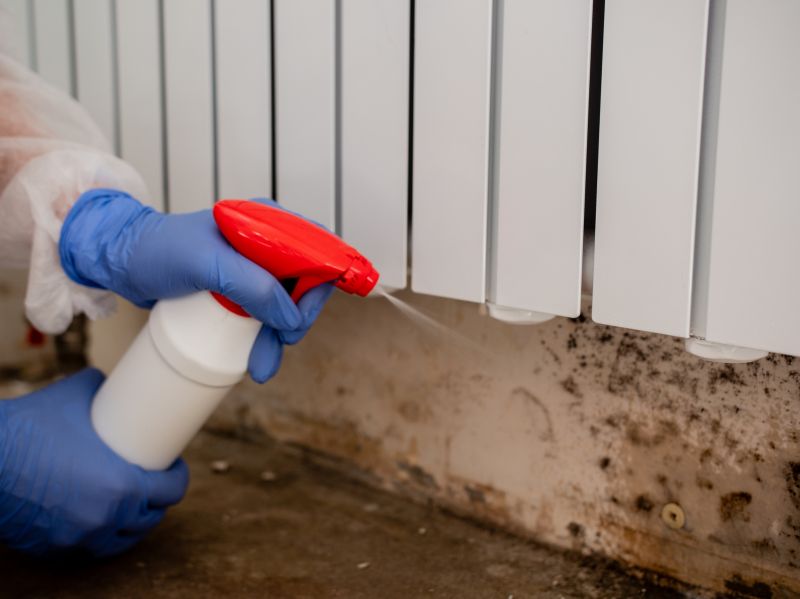
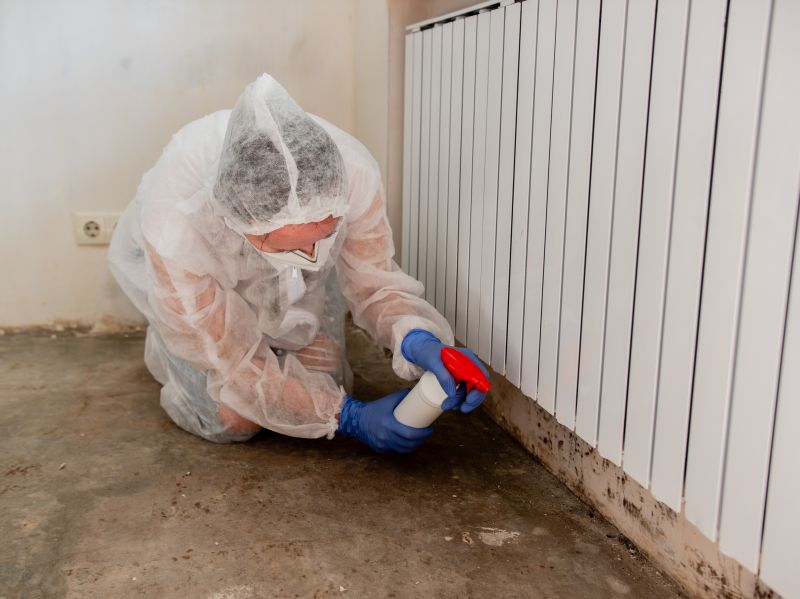
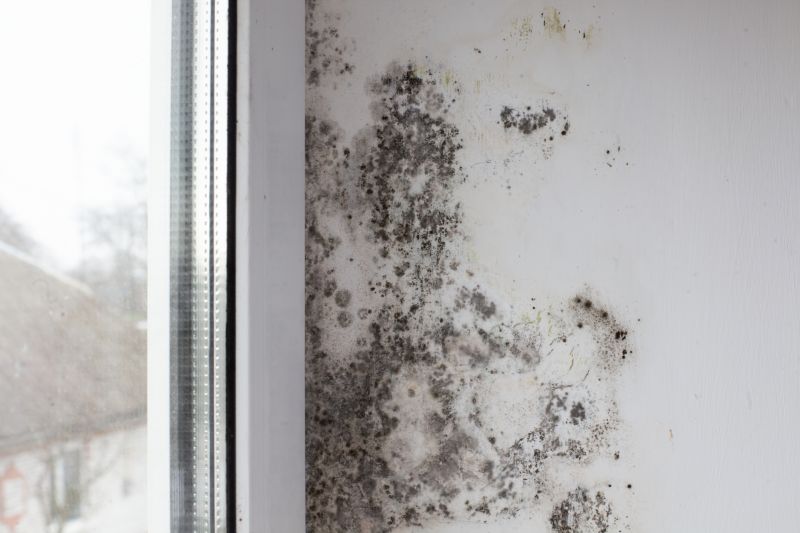
Mold restoration services involve identifying and removing mold growth from residential properties, helping to restore a safe and healthy indoor environment. These projects typically address issues such as visible mold colonies, musty odors, or water damage that has led to mold development. Property owners often seek mold restoration after incidents like leaks, flooding, or prolonged humidity, aiming to eliminate mold spores and prevent future growth. The process may include thorough cleaning, mold removal, and addressing underlying moisture problems to ensure the affected areas are properly restored.
Before requesting mold restoration, homeowners should understand the extent of mold presence and whether it is confined to a small area or widespread throughout the property. It’s important to consider if there has been recent water damage or ongoing moisture issues, as these factors influence the scope of work needed. Property owners typically want to know about the potential health implications, the methods used for mold removal, and steps taken to prevent recurrence. Clear communication about these aspects can help ensure the restoration process aligns with safety and health priorities.
Many property owners in Essex County, NJ look into Mold Restoration for repairs, replacements, upgrades, and appearance-related improvements.
Mold Damage Prevention
Proper moisture control can help prevent mold growth in homes and commercial properties.
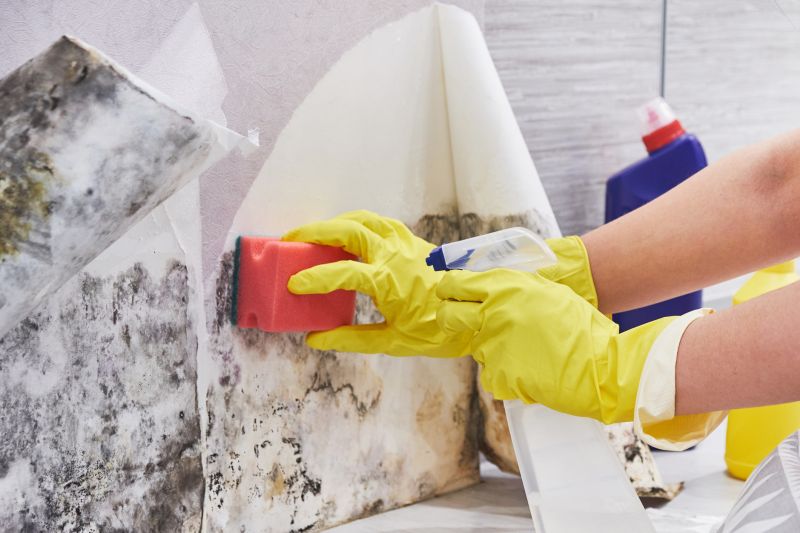
Restoration And Cleanup
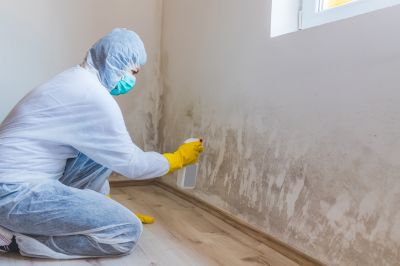
Effective mold removal restores safety and improves air quality in affected spaces.
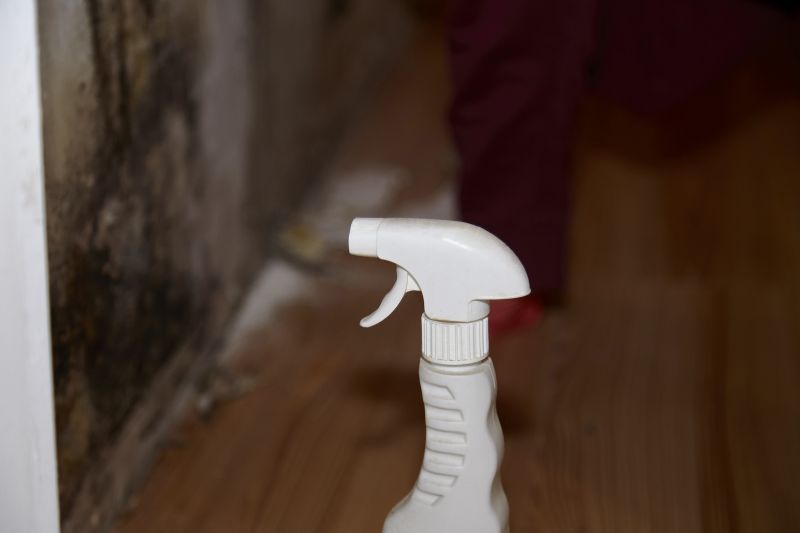
Water Damage Repairs
Addressing leaks and water intrusion is essential to stop mold from developing in essex county homes.
Mold Restoration in Essex County, NJ
Mold restoration services involve identifying and removing mold growth from residential properties, helping to restore a safe and healthy indoor environment. These projects typically address issues such as visible mold colonies, musty odors, or water damage that has led to mold development. Property owners often seek mold restoration after incidents like leaks, flooding, or prolonged humidity, aiming to eliminate mold spores and prevent future growth. The process may include thorough cleaning, mold removal, and addressing underlying moisture problems to ensure the affected areas are properly restored.
Before requesting mold restoration, homeowners should understand the extent of mold presence and whether it is confined to a small area or widespread throughout the property. It’s important to consider if there has been recent water damage or ongoing moisture issues, as these factors influence the scope of work needed. Property owners typically want to know about the potential health implications, the methods used for mold removal, and steps taken to prevent recurrence. Clear communication about these aspects can help ensure the restoration process aligns with safety and health priorities.
Many property owners in Essex County, NJ look into Mold Restoration for repairs, replacements, upgrades, and appearance-related improvements.
Common Mold Restoration Jobs
Mold remediation - removal of mold growth from interior surfaces to improve air quality.
Water damage mold cleanup - addressing mold issues caused by leaks, flooding, or high humidity.
Mold inspection and assessment - identifying the extent and source of mold contamination in the property.
Structural mold removal - treating mold growth within walls, ceilings, and other building components.
Mold prevention services - implementing measures to reduce future mold development and moisture issues.
Attic and basement mold removal - eliminating mold from often-hidden areas prone to moisture buildup.
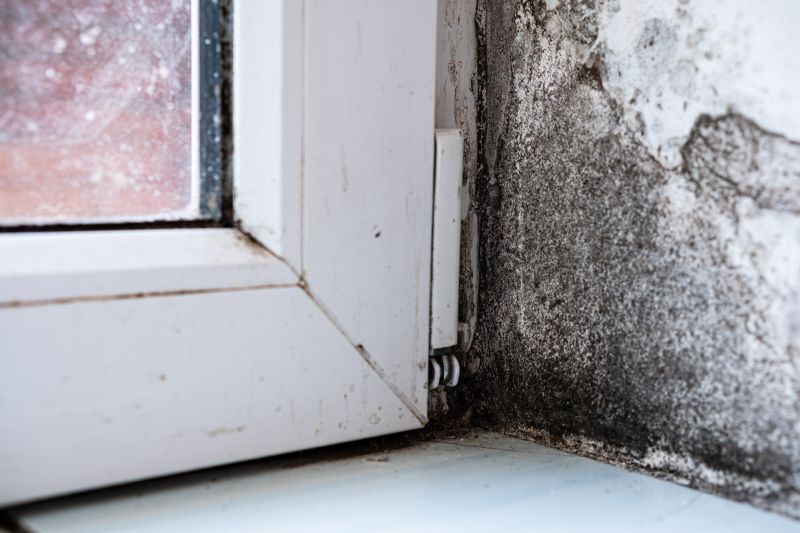
Mold Restoration Questions
What causes mold growth in homes? Mold can develop due to excess moisture from leaks, high humidity, or poor ventilation, creating ideal conditions for growth.
How can mold affect property health? Mold can cause allergic reactions, respiratory issues, and structural damage if left untreated.
What types of areas are commonly affected by mold? Mold often appears in bathrooms, basements, attics, and around water leaks or condensation-prone surfaces.
What is involved in mold restoration? The process typically includes moisture removal, mold removal, cleaning, and addressing underlying issues to prevent recurrence.
Request Mold Restoration in Essex County, NJ
Use the quote form on this page to share the basics of your project and request more information for the type of work you need.